
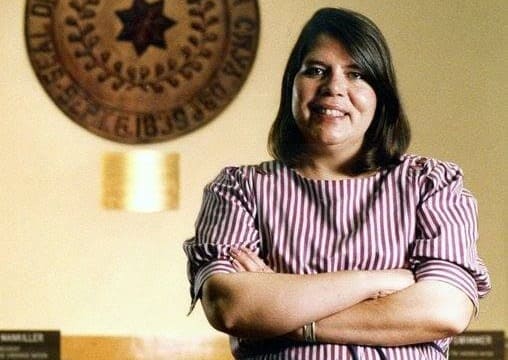
Wilma Mankiller was born in Tahlequah, Oklahoma, the capital of the Cherokee Nation. She spent her early years on tribal land before her family moved to San Francisco as part of the U.S. government’s Indian Relocation Program. Although this uprooting was challenging, it served as a major catalyst for Mankiller’s political awakening. Faced with cultural displacement and growing activism movements in the city—particularly the Occupation of Alcatraz by Native activists—Mankiller became acutely aware of the injustices Indigenous peoples faced and the importance of sovereignty, identity, and self-determination.
Her path ultimately led her back home to Oklahoma, where she diligently worked on grassroots projects aimed at improving the quality of life for Cherokee communities. In 1985, she became the first woman elected Deputy Chief of the Cherokee Nation. Shortly thereafter, she stepped into the role of Principal Chief, charting a new course for the Nation, grounded in social programs, educational initiatives, and a belief that true leadership arises from listening and collaboration.
Today, Wilma Mankiller quotes continue to ripple across social media, academic texts, leadership seminars, and everyday conversations. These words serve as powerful reminders that effective leadership goes hand in hand with compassion, that community well-being should guide all decisions, and that resilience can transform adversity into opportunity.
Below, we’ve compiled a list of 50 quotes widely attributed to Wilma Mankiller. Along with each quote, you’ll find brief commentary and context to further illuminate her wisdom and the significance of her message.
- Top 50 Wilma Mankiller Quotes
- On Leadership and Responsibility
- On Community and Collaboration
- On Identity, Culture, and Pride
- On Women’s Leadership and Empowerment
- On Hope, Inspiration, and the Future
- The Larger Context: How Wilma Mankiller’s Words Shaped a Nation
- Applying Wilma Mankiller’s Wisdom Today
- Conclusion: Carrying Wilma Mankiller’s Torch Forward
Top 50 Wilma Mankiller Quotes
On Leadership and Responsibility
- “The secret of our success is that we never, never give up.”
Commentary: Mankiller often emphasized perseverance as a necessary quality for Indigenous communities. It’s a reminder that lasting change is rarely immediate—it requires resilience. - “In Iroquois society, leaders are encouraged to remember seven generations in the past and consider seven generations in the future when making decisions.”
Commentary: Though referencing a broader Indigenous principle, Mankiller highlights a crucial aspect of her own leadership style: making decisions with a long-term, intergenerational view in mind. - “I learned a long time ago that there is something worse than missing the goal, and that’s not pulling the trigger.”
Commentary: This quote underscores the importance of taking action. In her tenure, Mankiller was never afraid to introduce bold ideas—even if they faced skepticism—in pursuit of community welfare. - “One of the things my parents taught me—and I’ll always be grateful—is to not ever let anybody else define me.”
Commentary: Mankiller’s upbringing instilled in her a strong sense of self-worth and autonomy, powerful tools for anyone fighting to uphold identity and sovereignty. - “Prior to my election, young Cherokee girls would never have thought that they might grow up and become chief.”
Commentary: Recognizing the symbolic power of her leadership, she speaks to the ripple effect her election had on generations of young women. Mankiller blazed a trail that inspired them to reach for leadership roles. - “Sometimes, leaders are forced to make the tough decisions—ones that may initially be unpopular but are, in the long term, necessary.”
Commentary: Mankiller’s leadership showed that short-term discomfort can lead to long-term benefits for the community. - “Leadership has more to do with listening than speaking.”
Commentary: A central pillar of Mankiller’s philosophy was consensus-building. Truly effective leadership, she believed, emerges from understanding the community’s needs. - “I think the best way to find solutions is to involve everyone with a stake in the outcome.”
Commentary: In her time as Principal Chief, Mankiller fostered community-driven initiatives, ensuring that every voice was heard, from elders to youth. - “People who are committed to making things better can achieve incredible feats—especially when they work together.”
Commentary: Collaboration, not competition, was a driving force in Mankiller’s approach to governance and social projects. - “History teaches us that we cannot afford to stand still.”
Commentary: This acknowledgment serves as an urgent call to action, reminding us that progress requires movement. Standing still, for Mankiller, risked stagnation and a loss of momentum for her people.
On Community and Collaboration
- “The best ideas are those that benefit the most people.”
Commentary: Mankiller always anchored her plans to community well-being, ensuring that resources and programs reached those most in need. - “Community building is not just about infrastructure, but about strengthening human connections.”
Commentary: A hallmark of her leadership was the fostering of relationships and trust within and outside the Cherokee Nation. - “Even the simplest projects can create unity and a sense of ownership if people come together.”
Commentary: Mankiller believed small projects, like repairing a common area or holding cultural gatherings, could galvanize a whole community. - “I felt a sense of responsibility to create opportunities for people to thrive.”
Commentary: Whether focusing on healthcare, education, or economic development, Mankiller felt personally compelled to expand opportunities for her people. - “We are all part of a much bigger web of relationships—our individual actions ripple out in ways we can’t always see.”
Commentary: This quote encapsulates the Indigenous worldviews of interconnectedness and mutual responsibility. - “I found that when we worked on projects that people said were impossible, the community really came alive.”
Commentary: Mankiller often recounted stories of community-driven projects that were deemed too ambitious but ultimately succeeded through collective effort. - “People with a common vision can do remarkable things—our job is to cultivate and share that vision.”
Commentary: Wilma Mankiller emphasized clarity of purpose: a unifying goal can propel people to achieve far more than they initially believe possible. - “At the heart of community is reciprocity—we give, we receive, and in doing so, we all grow.”
Commentary: Building sustainable communities involves both giving help when you can and being open to receiving help when you need it. - “When communities control their own resources, they flourish in ways that are aligned with their values and culture.”
Commentary: This quote speaks to the broader notion of self-determination, a cornerstone of Mankiller’s work in strengthening tribal sovereignty. - “Our relationship to each other is sacred. Protecting that relationship is the core of my work.”
Commentary: Mankiller believed governance should be grounded in moral and ethical obligations, not just bureaucratic functions.
On Identity, Culture, and Pride
- “Our culture is our identity, and defending it is like defending our right to exist.”
Commentary: Mankiller’s efforts to preserve Cherokee traditions reflected her understanding that culture is inseparable from survival. - “The language we speak shapes how we view the world. Preserving it is crucial for our future.”
Commentary: Revitalizing Indigenous languages was a priority for Mankiller, who recognized that language is the key to maintaining cultural continuity. - “Each of us must remember that our origins and stories are precious—the roots from which we draw our strength.”
Commentary: Personal and collective histories are more than just stories; they provide guidance for how to live meaningfully. - “Never be ashamed of who you are or where you came from.”
Commentary: Mankiller frequently spoke about the importance of self-worth and embracing the complexities of Indigenous identity in modern America. - “Our ceremonial grounds, our dances, our stories—they hold the wisdom of thousands of years.”
Commentary: She saw tremendous value in heritage and fought to sustain cultural practices that connected people to their ancestors. - “When we practice our traditions, we honor those who kept them alive through hardship and adversity.”
Commentary: By keeping traditions vibrant, Mankiller believed communities pay tribute to elders and ancestors who sacrificed to ensure their survival. - “Cultural survival can’t be separated from economic and political survival.”
Commentary: She recognized that ensuring a thriving Cherokee culture also requires stable governance and economic resources. - “We have a responsibility to tell our own stories. If we don’t, someone else will, and they might get them wrong.”
Commentary: Mankiller insisted on self-representation to combat stereotypes and historical inaccuracies about Indigenous peoples. - “Resilience is in our blood. We are the descendants of those who refused to disappear.”
Commentary: This is a direct nod to the survival of Native Nations despite forced removal, cultural assimilation policies, and systemic oppression. - “Being proud of who we are is the first step in being able to shape our future.”
Commentary: Pride, for Mankiller, wasn’t just emotional—it was a catalyst for proactive community development and self-advocacy.
On Women’s Leadership and Empowerment
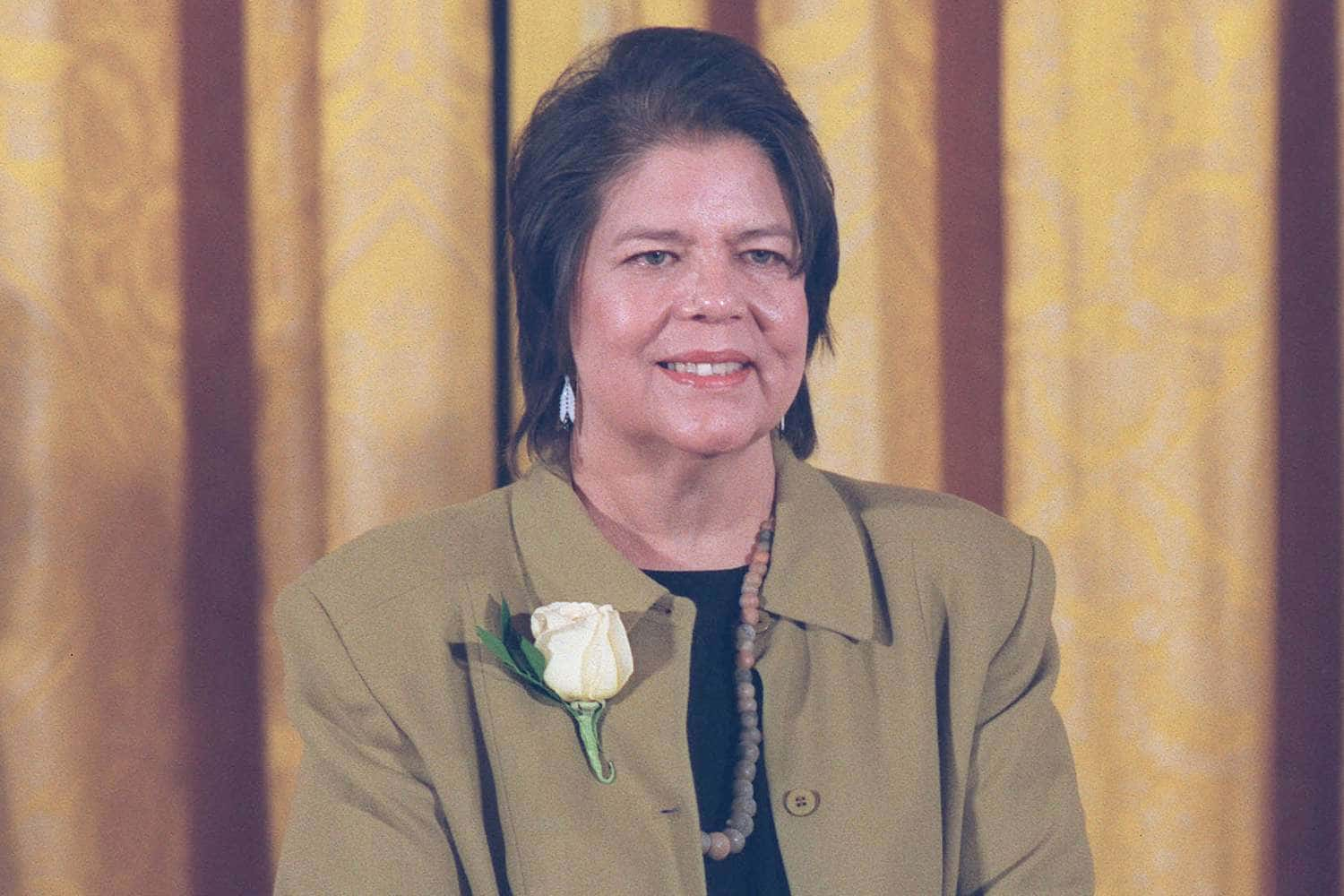
- “The empowerment of women is not about disempowering men; it’s about creating balance.”
Commentary: Mankiller consistently advocated for gender equity as a universal good, rather than a zero-sum game. - “Women can do anything they want to do. The only thing stopping them is the lack of opportunity or encouragement.”
Commentary: A rallying cry for women to break barriers, this speaks to Mankiller’s own experience becoming the first female Principal Chief. - “I never doubted that women have the capacity to lead, to innovate, to nurture communities—my experience taught me this again and again.”
Commentary: Living proof of her own words, Mankiller led one of the largest tribal nations in the U.S. with distinction. - “We must ensure that our daughters have access to education and leadership opportunities; that’s how we build a better tomorrow.”
Commentary: Education was a cornerstone of her policies, recognizing that it unlocks pathways to self-determination. - “Sometimes women wait for someone to ask them to step up. My advice: don’t wait. Claim your space.”
Commentary: Mankiller’s life story exemplifies how taking initiative—even when no invitation is given—can reshape societal norms. - “Raising the voices of Indigenous women is critical. Their perspectives enrich policy and community life.”
Commentary: This highlights how inclusivity not only benefits women but the entire community, forging a more holistic approach to governance. - “The ripple effect of women in leadership is vast. It challenges stereotypes, changes minds, and opens doors.”
Commentary: Mankiller understood that her success was not just individual but transformative, reshaping collective perceptions about what women can achieve. - “Leadership is about service. Whether you’re a mother, an activist, or a chief, you serve those you care about.”
Commentary: Her view of leadership as service underscores humility and a strong sense of responsibility. - “Whenever women are involved in discussions, the outcomes reflect a broader understanding of community needs.”
Commentary: Representation matters. Mankiller championed an inclusive governance model that tapped into the full spectrum of her people’s talents and insights. - “We are stronger when women’s voices echo through our most important institutions.”
Commentary: Institutions—tribal governments, schools, healthcare systems—benefit immeasurably from the leadership of women, according to Mankiller.
On Hope, Inspiration, and the Future
- “Hope is not a luxury—it’s a necessity if we want to create real change.”
Commentary: Mankiller believed hope underpins action, especially in communities that have endured generations of struggle. - “Optimism and self-belief can move mountains, but only if paired with hard work.”
Commentary: A pragmatic take on hope, reminding us that aspiration requires consistent effort. - “We must hold onto our sense of possibility, even when times are dark.”
Commentary: Throughout her life, Mankiller faced personal and political challenges, yet remained steadfast in her belief that a better future was within reach. - “Focus on what you can do, instead of being paralyzed by what you can’t.”
Commentary: An empowering reminder that change often starts with small, actionable steps. - “Every generation inherits both the failures and the triumphs of the previous one. Let us build more triumphs for our children to inherit.”
Commentary: In line with her seven-generation thinking, Mankiller urged people to be mindful of the legacy they leave behind. - “Transformation doesn’t happen overnight, but each of us has the power to advance it, day by day.”
Commentary: Patience combined with ongoing commitment is a powerful formula for community transformation. - “Remember those who came before us and those who will follow; our lives are part of that sacred chain.”
Commentary: A deeply spiritual reminder of the continuum that binds past, present, and future. - “Be courageous enough to dream, and practical enough to make those dreams real.”
Commentary: Balancing aspiration with action is central to Mankiller’s teachings, one reason her leadership model continues to guide modern communities. - “Kindness, respect, and understanding are far more powerful than fear or anger.”
Commentary: Mankiller’s approach to resolving conflicts—whether within the Nation or externally—was rooted in empathy. - “Let us learn from yesterday, build for today, and dream for tomorrow together.”
Commentary: A fitting final quote that captures the spirit of unity and forward-looking optimism Wilma Mankiller championed throughout her life.
The Larger Context: How Wilma Mankiller’s Words Shaped a Nation
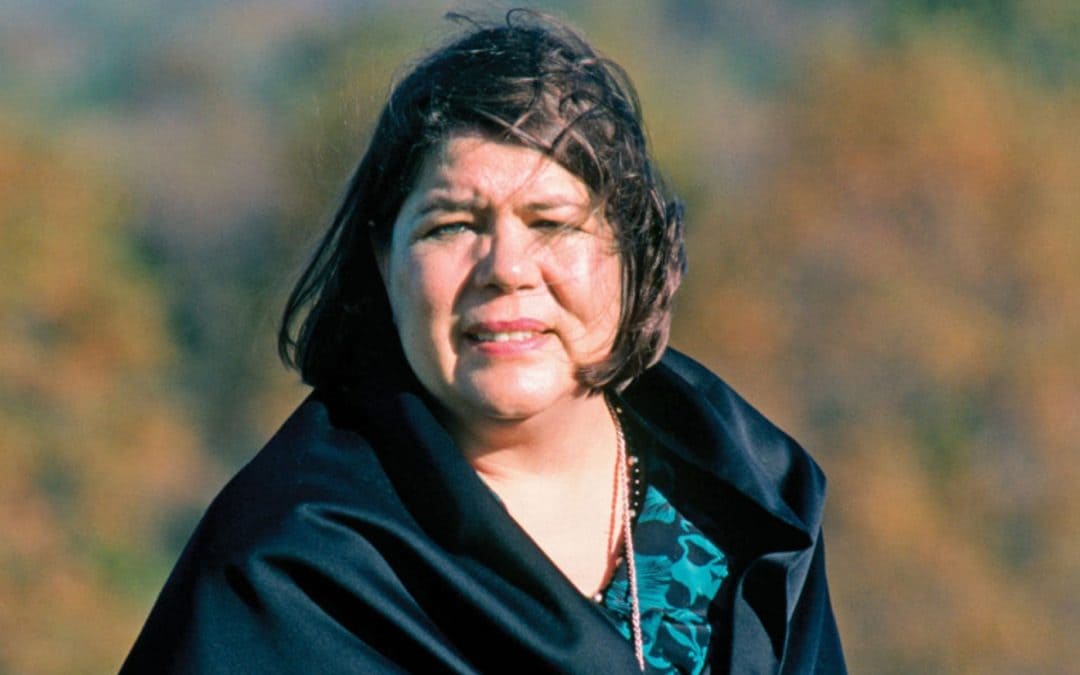
The impact of these Wilma Mankiller quotes extends beyond their eloquence; they reflect a tangible legacy of leadership, compassion, and concrete achievements. During her tenure as Principal Chief (1985–1995), Mankiller focused on:
- Healthcare: She worked on improving rural healthcare services, making sure that Cherokee citizens had better access to medical resources.
- Education: Mankiller helped develop scholarship programs, vocational training, and adult education initiatives, reinforcing the idea that education is a catalyst for empowerment.
- Economic Development: Working closely with federal, state, and tribal agencies, she spearheaded various initiatives that aimed to strengthen local economies while respecting Cherokee values and traditions.
- Community Participation: One of her hallmark programs was a community development process that invited local people to identify challenges and solutions, thereby fostering self-determination.
Her administration was notable not only for its policies but also for the way it engaged citizens. Whether through town halls, surveys, or cultural events, Mankiller ensured that her people felt heard—a clear manifestation of her belief in consensus-driven leadership. She often said that decisions made in a vacuum, without input from the community, would not stand the test of time.
These quotes also underscore her approach to intersectionality. While her identity as a Cherokee woman propelled her focus on Indigenous issues, she was equally vocal about women’s rights and civic engagement for all marginalized populations. She saw unity as a key to collective advancement, emphasizing that the Cherokee Nation’s success was inextricably linked to the empowerment of its most vulnerable members.
Applying Wilma Mankiller’s Wisdom Today
In a world that continues to grapple with social, economic, and environmental challenges, the Wilma Mankiller quotes listed here serve as potent reminders of the values we need:
- Resilience and Perseverance: Her life exemplified the power of standing firm in one’s convictions, even in the face of systemic barriers.
- Community-Centered Leadership: Individuals and organizations alike can adopt Mankiller’s commitment to listening first, building consensus, and working collaboratively.
- Intergenerational Thinking: When we consider the long-term impacts of policies on future generations, we foster a more inclusive and sustainable society.
- Empowerment of Women: Mankiller’s success story continues to challenge archaic notions of gender roles, reminding us that equitable leadership is better leadership.
- Cultural Pride: Whether you come from a small, tight-knit community or a sprawling urban metropolis, cultural heritage and local traditions can be guiding lights in forging healthy, cohesive communities.
By studying Mankiller’s journey and reflecting on her words, modern leaders, educators, community organizers, and activists can draw inspiration to tackle today’s issues—be they climate change, racial injustice, or the fight for equitable healthcare. Her approach was never about imposing top-down solutions; instead, it revolved around empowering people to create the solutions they wished to see.
Conclusion: Carrying Wilma Mankiller’s Torch Forward
Wilma Mankiller’s story is one of triumph through adversity, leadership born of grassroots activism, and a deep, abiding love for her people’s traditions and future. Her quotes—whether focused on cultural preservation, women’s empowerment, or the core principles of community-building—continue to guide those who strive to make the world a more just and inclusive place.
These Wilma Mankiller quotes remind us that leadership is fundamentally an act of service. They also underline the notion that real progress requires patience, courage, and the willingness to include everyone in the vision for a better tomorrow. For anyone seeking inspiration to drive meaningful change in their own communities—no matter how large or small—Wilma Mankiller’s words stand as a timeless guide.
In continuing her legacy, we affirm the strength that comes from unity, the transformative power of inclusivity, and the promise that hope holds for shaping the future. Just as she transformed the Cherokee Nation through dedication and collaboration, so can each of us make our own corner of the world more equitable, more compassionate, and more reflective of our highest aspirations. Wilma Mankiller’s voice, immortalized in these quotes, is a beacon that points toward a future in which we honor the past, embrace the present, and continue to dream for generations to come.