
Published in 1960, Harper Lee’s To Kill a Mockingbird remains a cornerstone of American literature, known for its poignant exploration of racism and moral responsibility in a small Alabama town during the Great Depression. Through the eyes of young Scout Finch, readers witness the complexities of human behavior in an environment shaped by prejudice yet tempered by moments of profound humanity. The novel’s enduring appeal lies in its capacity to speak to all generations, urging us to consider empathy, justice, and integrity in the face of societal constraints.
In many educational settings, To Kill a Mockingbird is a standard text for discussions on ethics, coming-of-age experiences, and historical context. But beyond the classroom, its resonance extends to popular culture, cited in debates on civil rights and personal morality. The figure of Atticus Finch stands tall as an emblem of principled lawyering and parenthood—admirable yet nuanced. Over the decades, Lee’s novel has provided countless readers with guiding wisdom, encapsulated in short, memorable lines. These famous quotes from To Kill a Mockingbird are often shared because they distill life lessons about courage, compassion, and understanding one another’s perspectives.
In the sections below, we will first offer a brief overview of the novel’s setting, characters, and main themes. Then, we’ll delve into 50 famous quotes—each presented in under 90 characters—offering context and analysis. By revisiting these notable lines, we gain deeper insight into why To Kill a Mockingbird still resonates with readers worldwide.
Novel Overview: Setting, Characters, and Major Themes
Historical Context and Setting
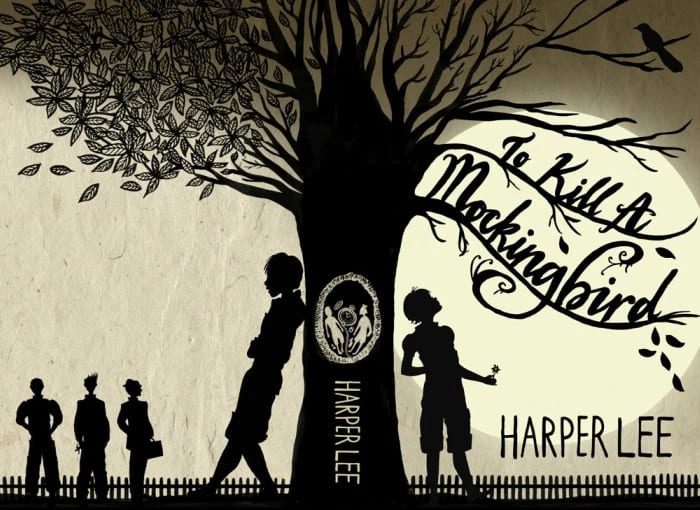
Harper Lee sets her novel in the fictional town of Maycomb, Alabama, during the 1930s. The Great Depression ravages the country, leaving many families struggling financially. Racial tensions run high, a legacy of the post-Civil War era and ongoing segregation. This backdrop underscores the social hierarchy and prejudices that shape daily life in Maycomb.
Key Characters
- Scout Finch (Jean Louise Finch): The young narrator, whose innocence and curiosity drive much of the story’s perspective.
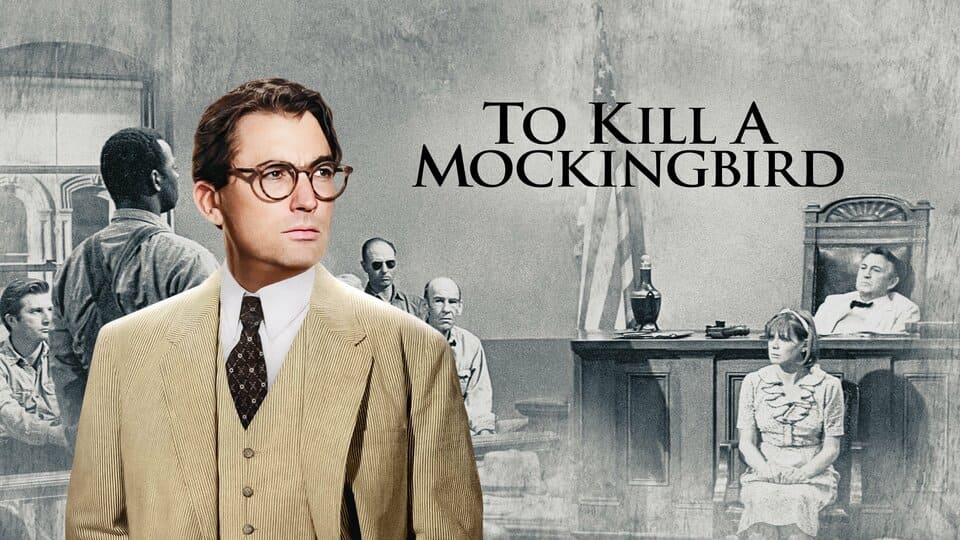
- Atticus Finch: Scout and Jem’s father, a lawyer tasked with defending Tom Robinson, an African American man wrongly accused of rape. Atticus embodies moral courage, consistently modeling empathy and integrity.
- Jem Finch: Scout’s older brother. He transitions from childhood to adolescence during the novel, grappling with disillusionment as he observes injustice in Maycomb.
- Tom Robinson: The Black man falsely accused of assaulting a white woman, Mayella Ewell. His trial exposes the entrenched racism within the town.
- Boo Radley (Arthur Radley): A reclusive neighbor enveloped in rumors and mystery. Over time, Boo’s actual kindness emerges, challenging the children’s—and the town’s—preconceived notions.
Major Themes
- Racial Injustice: The wrongful accusation and trial of Tom Robinson highlight systemic racism in the legal system and society.
- Moral Growth and Empathy: Atticus constantly advises his children to see the world from others’ perspectives. Scout’s journey reflects the transition from childhood innocence to moral awareness.
- Courage and Integrity: Standing up for what is right, even when the odds are stacked against you, recurs throughout the novel, personified by Atticus’s unwavering commitment.
- The Mockingbird Symbol: Represents innocence. Characters like Boo Radley and Tom Robinson are symbolic mockingbirds—harmless individuals harmed by prejudice.
With these contexts in mind, let’s explore 50 famous quotes from To Kill a Mockingbird, each followed by brief analysis. While brief, these lines capture pivotal messages that have cemented this novel’s place in the literary canon.
Top 50 Famous Quotes from To Kill a Mockingbird
- “You never really understand a person until you consider things from his point of view.”
Speaker/Context: Atticus to Scout.
Analysis: Atticus’s guiding principle underscores the importance of empathy—a central theme. - “The one thing that doesn’t abide by majority rule is a person’s conscience.”
Speaker/Context: Atticus, discussing moral courage.
Analysis: Emphasizes moral integrity and the need to stand by one’s principles despite social pressure. - “Mockingbirds don’t do one thing but make music for us to enjoy.”
Speaker/Context: Miss Maudie explains why it’s a sin to kill a mockingbird.
Analysis: Symbolizes innocence and the ethical imperative to protect the harmless. - “I wanted you to see what real courage is.”
Speaker/Context: Atticus to Jem, referencing Mrs. Dubose.
Analysis: Suggests courage is persevering despite fear or certain defeat, not just physical bravery. - “It’s not time to worry yet.”
Speaker/Context: Atticus reassures Jem and Scout.
Analysis: Demonstrates Atticus’s calm, measured approach to life’s challenges. - “People generally see what they look for, and hear what they listen for.”
Speaker/Context: Judge Taylor’s courtroom observation.
Analysis: Critiques how bias shapes perception, a major element of Tom Robinson’s trial. - “Bad language is a stage all children go through.”
Speaker/Context: Atticus, calmly addressing Scout’s swear words.
Analysis: Reflects Atticus’s patient parenting style and understanding of childhood phases. - “There’s just one kind of folks. Folks.”
Speaker/Context: Scout, reflecting on Maycomb’s social divisions.
Analysis: Emphasizes the novel’s plea for shared humanity over artificial class or racial distinctions. - “The one place where a man ought to get a square deal is in a courtroom.”
Speaker/Context: Atticus, lamenting racial biases in the justice system.
Analysis: Highlights the ideal of justice versus the sad reality in Tom’s trial. - “Courage is not a man with a gun in his hand.”
Speaker/Context: Atticus’s lesson to Jem.
Analysis: Reinforces moral fortitude over physical force as the truest form of bravery. - “Sometimes the Bible in the hand of one man is worse than a whiskey bottle in another’s.”
Speaker/Context: Miss Maudie, pointing out hypocrisy.
Analysis: Criticizes using religion to justify harmful actions, stressing personal integrity over dogma. - “Atticus told me to delete the adjectives and I’d have the facts.”
Speaker/Context: Scout, on her father’s advice for clarity.
Analysis: Advocates for unbiased truth-seeking by removing emotional or subjective language. - “I think there’s just one kind of folks. Folks.”
Speaker/Context: Scout to Jem.
Analysis: Echoes the novel’s call for equality—reiterated to stress how Scout internalizes empathy. - “Most people are, Scout, when you finally see them.”
Speaker/Context: Atticus, after Scout meets Boo Radley.
Analysis: Summarizes the lesson of compassion—people are rarely as fearsome as rumors suggest. - “I’d rather you shoot at tin cans in the backyard, but I know you’ll go after birds.”
Speaker/Context: Atticus’s advice on handling rifles.
Analysis: Ties into the mockingbird motif, urging the preservation of life wherever possible. - “Until I feared I would lose it, I never loved to read. One does not love breathing.”
Speaker/Context: Scout, realizing the value of reading.
Analysis: Highlights the innate love of learning and how easily privileges are taken for granted. - “Neighbors bring food with death and flowers with sickness.”
Speaker/Context: Miss Maudie’s reflection on communal care.
Analysis: Illustrates community values in Maycomb, showing compassion amid hardship. - “Atticus, he was real nice…”
Speaker/Context: Scout about Boo Radley.
Analysis: The final recognition of Boo’s kindness, encapsulating the journey from fear to understanding. - “It’s a sin to kill a mockingbird.”
Speaker/Context: Atticus quoting Miss Maudie.
Analysis: The novel’s signature moral directive—harming innocence is a fundamental wrong. - “I was born good but had grown progressively worse every year.”
Speaker/Context: Scout humorously describing herself.
Analysis: Reflects the child’s perspective on personal behavior, tinged with honesty and self-awareness. - “This time we aren’t fighting the Yankees, we’re fighting our friends.”
Speaker/Context: Atticus, referencing the trial’s communal tensions.
Analysis: Shows how moral battles often pit us against those we know, complicating the fight for justice. - “A jury never looks at a defendant it has convicted.”
Speaker/Context: Scout’s courtroom observation.
Analysis: Demonstrates the somber moment of verdict delivery, exposing a crucial social cue of guilt. - “I wanted you to know what real courage is, instead of getting the idea that courage is a man with a gun.”
Speaker/Context: Atticus’s reflection on Mrs. Dubose.
Analysis: Reiterates the spiritual and psychological dimension of courage over physical might. - “You rarely win, but sometimes you do.”
Speaker/Context: Atticus’s hopeful acknowledgment of moral fights.
Analysis: Encourages perseverance; even if the odds seem insurmountable, one must try. - “I’d rather you shot at tin cans in the backyard…”
Speaker/Context: Atticus’s repeated guidance on responsible shooting.
Analysis: Re-emphasizes preserving life, especially innocent life, weaving into the mockingbird theme. - “We’re the safest folks in the world.”
Speaker/Context: Jem trying to console Scout.
Analysis: Reflects naive belief in Maycomb’s security, later shattered by prejudice and violence. - “There are just some kind of men who’re so busy worrying about the next world they’ve never learned to live in this one.”
Speaker/Context: Miss Maudie, critiquing hypocrisy.
Analysis: Urges practical compassion on Earth rather than self-righteous moralizing. - “Things are never as bad as they seem.”
Speaker/Context: Miss Maudie reassuring the children.
Analysis: A persistent theme of hope, even in a town overshadowed by discrimination. - “People in their right minds never take pride in their talents.”
Speaker/Context: Miss Maudie on Atticus’s shooting ability.
Analysis: Suggests true humility, showing how Atticus never boasts of his skills. - “If there’s just one kind of folks, why can’t they get along with each other?”
Speaker/Context: Jem, questioning prejudice.
Analysis: Reveals Jem’s grappling with the paradox of social division in a supposedly unified community. - “I’ll tell him you said hey, little lady.”
Speaker/Context: Mr. Arthur (Boo) Radley’s gentle response.
Analysis: Marks the moment Boo Radley becomes fully humanized—a friendly neighbor rather than a bogeyman. - “Summer was Dill by the fish pool smoking stolen cigarettes.”
Speaker/Context: Scout’s recollection of summer’s carefree joys.
Analysis: Conveys childhood nostalgia and the innocence overshadowed by the trial’s weight. - “I think there’s just one kind of folks. Folks.”
Speaker/Context: Scout, repeating a central message.
Analysis: Again underscores the novel’s unifying plea for empathy and the rejection of artificial hierarchies. - “Before I can live with other folks, I’ve got to live with myself.”
Speaker/Context: Atticus, discussing conscience.
Analysis: Stresses personal morality as the bedrock of social conduct—integrity starts within. - “I felt right sorry for her…”
Speaker/Context: Tom Robinson about Mayella.
Analysis: Signals Tom’s empathy, which tragically offends the racist norms of Maycomb. - “Don’t you remember me, Mr. Cunningham?”
Speaker/Context: Scout defusing a lynch mob scene.
Analysis: A child’s innocent recognition of shared humanity disrupts a moment of collective violence. - “Keep in mind that this is no ideal world.”
Speaker/Context: Atticus to Jem, after the trial.
Analysis: Acceptance of harsh reality yet not resignation—Atticus continues to advocate for justice. - “Secretly, Miss Finch, I’m not much of a drinker…”
Speaker/Context: Dolphus Raymond’s revelation.
Analysis: Exposes the lengths some go to avoid scrutiny, highlighting social hypocrisies. - “Don’t say nigger, Scout. That’s common.”
Speaker/Context: Atticus correcting Scout’s language.
Analysis: Reflects Atticus’s moral stance against slurs, teaching respect in a prejudiced society. - “That boy’s your company and if he wants to eat up the tablecloth, you let him.”
Speaker/Context: Calpurnia defending Walter Cunningham.
Analysis: Underscores dignity, hospitality, and compassion for guests, regardless of social status. - “Are you proud of yourself tonight that you have insulted a total stranger?”
Speaker/Context: Miss Maudie, chastising a rude woman.
Analysis: Shows adult figures challenging cruelty and standing for civility. - “I wanted to show you what real courage is…”
Speaker/Context: Atticus repeating a key lesson to Jem.
Analysis: Reinforces the theme that moral strength triumphs over physical intimidation. - “One does not love breathing.”
Speaker/Context: Scout on reading.
Analysis: A testament to the naturalness of her abilities and the freedoms we often take for granted. - “We’ll do like we always do at home, but tell them we did it anyway.”
Speaker/Context: Jem’s mischievous suggestion.
Analysis: Reflects the playful aspects of childhood amid more serious societal issues. - “Neighbors bring food with death and flowers with sickness, and little things in between.”
Speaker/Context: Miss Maudie, emphasizing community.
Analysis: Highlights the small, caring gestures that tie people together, especially in tough times. - “It’s different this time,” he said. “This time we aren’t fighting the Yankees.”
Speaker/Context: Atticus to Scout.
Analysis: Contrasts historical conflicts with the contemporary moral battles in Maycomb’s own streets. - “I wish Bob Ewell wouldn’t chew tobacco.”
Speaker/Context: Atticus’s understated reaction to Bob Ewell’s anger.
Analysis: Demonstrates Atticus’s calm and rational approach to hostility—he avoids reciprocating aggression. - “They’ve done it before and they did it tonight and they’ll do it again…”
Speaker/Context: Atticus on racial injustice.
Analysis: Conveys the cyclical nature of prejudice, warning that systemic change is slow. - “I wondered why Atticus was inviting us to the front porch instead of the living room.”
Speaker/Context: Scout, noting a small shift in family routine.
Analysis: Subtle shifts foreshadow bigger revelations, a hallmark of Lee’s nuanced storytelling. - “He turned out the light and went into Jem’s room. He would be there all night, and he would be there when Jem waked up in the morning.”
Speaker/Context: Final lines, describing Atticus’s vigil.
Analysis: A gentle conclusion that underscores Atticus’s caring role as a father—ever-present, watchful, and protective.
Literary and Thematic Analysis
These famous quotes from To Kill a Mockingbird consistently orbit Harper Lee’s core themes of moral courage, empathy, and social justice. By examining interactions between characters—from Atticus’s fatherly wisdom to Miss Maudie’s quiet counsel—we see how the novel cultivates a moral compass that rejects prejudice. Atticus’s stand in Tom Robinson’s trial, though unsuccessful by legal standards, exemplifies the importance of fighting injustice despite guaranteed opposition.
The recurring symbol of the mockingbird resonates through multiple quotes about harming innocent beings. Tom Robinson and Boo Radley both represent individuals who pose no harm yet suffer societal harm themselves—one through a wrongful accusation, the other through isolation and rumors. Scout and Jem’s experiences offer a lens into childhood innocence gradually shadowed by the complexity and cruelty of adult society. This duality—innocence amid harsh reality—is precisely why the novel endures in classroom discussions and broader cultural dialogues.
Empathy emerges as a key motif, reinforced by Atticus’s iconic reminder to “climb into someone’s skin and walk around in it.” This principle informs how the children (and, by extension, readers) learn to judge others less and listen more. Time and again, these quotes illuminate moments where empathy disrupts hatred: Scout’s compassion defuses a lynch mob; Atticus respects even his most bitter opponents; Miss Maudie stands firmly against hypocrisy in her neighbors.
Lastly, the emphasis on moral courage stands out in repeated lessons about genuine bravery. It’s not about “a man with a gun,” but the resolve to pursue justice or push back against ignorance without expecting success. From Mrs. Dubose’s personal battles to Atticus’s unwavering stance in the courtroom, the narrative insists that genuine courage involves conviction in the face of near-certain defeat—a principle that resonates far beyond the pages of a novel set in the 1930s.
Impact, Legacy, and Continued Relevance
Upon its publication in 1960, To Kill a Mockingbird quickly gained critical acclaim, winning the Pulitzer Prize. Its inclusion in school curricula worldwide ensures that new generations encounter these themes of empathy, justice, and racial inequality—concepts as pressing now as they were decades ago. Nonetheless, the novel has also faced challenges and bans, typically for its frank portrayal of racial language and tensions. Still, many educators and readers argue that confronting these realities is essential for honest discussions about history and society.
In popular culture, references to Atticus Finch or to the mockingbird symbol appear frequently in debates on ethics and civil rights. Courtroom dramas continue to evoke the moral fervor of Atticus’s defense, solidifying To Kill a Mockingbird as a blueprint for dissecting the flaws and aspirations of the American justice system. The 2018 Broadway adaptation by Aaron Sorkin and numerous film and stage productions confirm the novel’s capacity to be reinterpreted for contemporary audiences without losing its core messages.
These famous quotes from To Kill a Mockingbird are integral to understanding the novel’s far-reaching influence. From short lines about empathy to more direct condemnations of injustice, Harper Lee’s words maintain an urgent relevance in an ever-evolving social landscape.
Conclusion
A careful look at these 50 famous quotes from To Kill a Mockingbird reveals the underlying moral fabric that has endeared Harper Lee’s novel to generations of readers. Each concise line touches on the complexities of prejudice, justice, and compassion, inviting us to question not only how we treat one another but also how we uphold or challenge societal norms. Through the experiences of the Finch family, we learn the quiet power of empathy: stepping into another’s shoes can transform fear into understanding and anger into respect.
Despite the novel’s setting in a bygone era, its questions remain achingly contemporary—how do we stand against injustice when it’s woven into societal structures? Where do we find the moral backbone to defend those who cannot defend themselves? Lee doesn’t offer simple solutions, but she provides a guiding light in the form of characters like Atticus, Miss Maudie, and even Boo Radley, who show kindness and decency in a world often dominated by ignorance.
By revisiting these quotes, we immerse ourselves in the lessons that To Kill a Mockingbird imparts, strengthening our resolve to act compassionately and ethically, no matter the obstacles. For readers newly discovering Harper Lee’s masterpiece or returning to it after years away, these short excerpts highlight why the novel’s legacy persists. Its wisdom—a call to courage and understanding—carries forward, ever resonant, ensuring To Kill a Mockingbird will continue to inspire meaningful reflection and discussions for generations to come.