
Below are ten anime deep quotes that capture the essence of introspection, moral complexity, and personal transformation. We’ll discuss each quote’s context, the deeper meaning it conveys, and why it resonates with viewers around the globe. These selections span both classic and modern anime, offering a glimpse into the rich philosophical tapestry of the medium.
I mustn’t run away.
Series: Neon Genesis Evangelion
Speaker: Shinji Ikari
Context & Meaning:
Shinji repeatedly utters this line to steel himself against the towering burdens placed on him as a pilot of the Evangelion mecha. Though just a teenager, he’s expected to face monstrous threats with apocalyptic stakes. Beneath the sci-fi exterior, Shinji’s struggle is deeply human: facing fear, loneliness, and the desire for belonging.
Why It Resonates:
This catchphrase, “I mustn’t run away,” echoes a universal challenge: confronting our responsibilities rather than escaping them. It emphasizes growth through adversity and underscores the courage required to take a stand—even when we’re terrified or unsure of ourselves.
Sometimes, you must hurt in order to know, fall in order to grow, lose in order to gain.
Series: Naruto (various arcs and characters reflect on pain and growth)
Speaker: Not a single direct quote from one character, but a sentiment voiced throughout the series.
Context & Meaning:
Naruto explores themes of perseverance, friendship, and forgiveness, with major characters like Naruto Uzumaki and Sasuke Uchiha grappling with tragedy and ambition. Characters often state that pain, while harsh, is the catalyst for personal evolution.
Why It Resonates:
This line reflects one of the Naruto series’ core messages: growth often emerges from adversity. In real life, too, some lessons can’t be learned without hardship. Viewers find solace in seeing Naruto and his friends overcome tragedies, reminding us that challenges can forge resilience.
If you win, you live. If you lose, you die. If you don’t fight, you can’t win.

Series: Attack on Titan
Speaker: Eren Yeager
Context & Meaning:
In a brutal world overrun by giant Titans, the remnants of humanity must fight for survival. Eren’s words typify a grim determination. There’s no middle ground or negotiation with the Titans—only relentless struggle.
Why It Resonates:
While most of us don’t battle colossal creatures, we do face situations where inaction can be just as damning as outright defeat. Eren’s quote captures the urgency of defending one’s dreams and the necessity of perseverance.
If you can’t do something, then don’t. Focus on what you can.
Series: Gintama
Speaker: Shiroyasha (Gintoki Sakata)
Context & Meaning:
Gintama is known for blending comedy with earnest life lessons. Gintoki Sakata offers this advice to encourage characters—and viewers—to embrace their strengths rather than lament their weaknesses.
Why It Resonates:
It’s a simple but empowering notion. We often waste energy fixating on things beyond our control, forgetting to leverage our existing abilities. This quote invites us to channel our efforts more effectively, recognizing that everyone has unique talents.
Nothing in this world can fill the hole in your heart. You can only fill it by yourself.
Series: Fullmetal Alchemist: Brotherhood
Speaker: Possibly echoed in different forms by characters searching for purpose and redemption.
Context & Meaning:
In Fullmetal Alchemist, siblings Edward and Alphonse embark on a quest for the Philosopher’s Stone, hoping to restore their bodies after a tragic accident. Many characters struggle with guilt, longing, and identity.
Why It Resonates:
This line emphasizes the idea that external achievements or possessions can’t truly mend internal wounds. Real healing and self-discovery come from within—an insight that resonates with many viewers who grapple with personal loss and self-worth.
The only thing we’re allowed to do is to believe that we won’t regret the choice we made.
Series: Attack on Titan
Speaker: Levi Ackerman
Context & Meaning:
Levi, a hardened soldier, acknowledges the often impossible decisions they face in battle, where there is rarely a perfect outcome. This quote captures the essence of living with the consequences of one’s actions.
Why It Resonates:
Real-life choices often involve uncertainty. Levi’s statement reminds us that we can’t predict the future flawlessly, but we can proceed with integrity and the hope we’ll stand by our convictions.
If you can’t accept losing, you can’t win.
Series: One Piece (concept echoed by various characters, notably Zoro or Luffy)
Context & Meaning:
In One Piece, the Straw Hat pirates chase epic goals—like becoming Pirate King—facing numerous defeats and near-impossible odds along the way. This line underscores the necessity of resilience.
Why It Resonates:
Failure is a natural part of growth. By acknowledging the possibility of losing and learning from it, we evolve. This concept is universal, whether it’s in athletics, creative endeavors, or personal relationships.
In the end, whether you take the path of thorns or flowers, you still have to walk it yourself.
Series: Naruto or Bleach (variations of this sentiment appear across multiple shonen series)
Context & Meaning:
Characters in shonen anime frequently weigh the costs of power, revenge, or justice. This line highlights that no matter the guidance or obstacles, one must ultimately face their destiny alone.
Why It Resonates:
We all have support systems, but major life crossroads are ultimately navigated individually. This quote is a reminder of personal accountability and the courage required to face one’s journey.
People’s lives don’t belong to themselves alone. They’re also part of a larger flow.
Series: Cowboy Bebop
Speaker: Possibly from philosophical dialogues within the show, reminiscent of Spike Spiegel or Jet Black’s musings.
Context & Meaning:
Cowboy Bebop is renowned for its melancholic undertones and existential questions. Characters live in a broken, futuristic world, constantly on the move yet tethered to the past.
Why It Resonates:
The line highlights our interconnectedness. Our decisions, joys, and pains ripple out to impact others—friends, family, or society. It’s a call to recognize we’re part of something bigger than ourselves.
This world is rotten, and those who are making it rot deserve to die. Someone has to do it, so why not me?
Series: Death Note
Speaker: Light Yagami
Context & Meaning:
In Death Note, Light Yagami obtains a supernatural notebook that can kill anyone whose name is written in it. With this power, he decides to “cleanse” the world of criminals.
Why It Resonates:
Although morally contentious, the quote exposes the allure of absolute power and the slippery slope of self-righteousness. It begs the question: Is extreme judgment ever justified, or does it corrupt even the noblest intentions?
If you can’t find a reason to fight, then you shouldn’t be fighting.
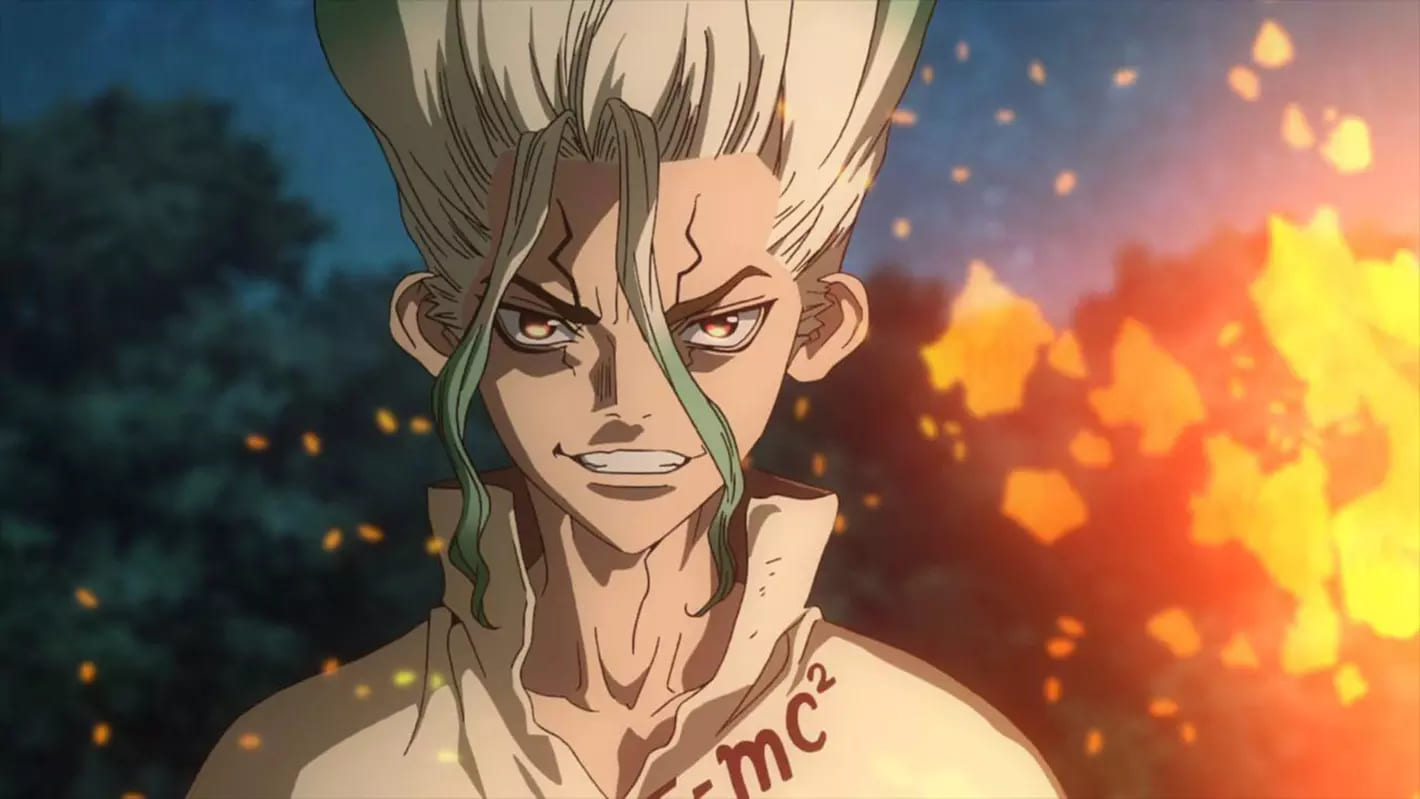
Series: Dragon Ball Z
Speaker: Son Goku
Context & Meaning: In battles against powerful enemies, Goku emphasizes fighting not for violence’s sake but to protect loved ones and uphold justice.
Why It Resonates: It’s a reminder that having a clear purpose or value behind your actions lends strength and moral clarity.
Those who do not understand true pain can never understand true peace.
Series: Naruto Shippuden
Speaker: Pain (Nagato)
Context & Meaning: Nagato, having experienced profound loss, believes only by knowing suffering can people appreciate lasting peace.
Why It Resonates: It underscores how empathy and compassion often sprout from personal hardship, shaping one’s desire for a better world.
To act is not necessarily compassion. True compassion sometimes comes from inaction.
Series: Fate/Zero
Speaker: Kiritsugu Emiya
Context & Meaning: Kiritsugu wrestles with moral dilemmas, recognizing that intervening can cause collateral harm.
Why It Resonates: Suggests that well-intentioned actions can backfire, and sometimes restraint is the more merciful choice—reflecting real-world ethical complexities.
Living means having something worth protecting.
Series: Sword Art Online
Speaker: Kirito
Context & Meaning: Trapped in a virtual death game, Kirito finds meaning in safeguarding friends and loved ones.
Why It Resonates: We all seek motivation—a cause or person precious enough to galvanize us through life’s dangers.
People’s lives aren’t just their own. From birth, to death, and beyond, they’re connected to others.
Series: Bungo Stray Dogs
Speaker: Osamu Dazai
Context & Meaning: Dazai reflects on how one person’s decisions and fate inevitably intertwine with others’ hopes and tragedies.
Why It Resonates: It’s a commentary on interdependence—reminding us no one’s journey is entirely solitary.
Fear is not evil. It tells you what your weakness is. And once you know your weakness, you can become stronger.
Series: Fairy Tail
Speaker: Gildarts Clive
Context & Meaning: Gildarts, a seasoned mage, advises younger guild members to embrace fear as a catalyst for growth.
Why It Resonates: Many shy away from fear, but this quote reframes it as a tool for self-improvement rather than a deterrent.
Hurt me with the truth, but never comfort me with a lie.
Series: One Piece (sentiments echoed across characters)
Speaker: Variations come up when the Straw Hats confront betrayal or hidden truths.
Context & Meaning: Facing painful reality fosters genuine trust and growth, while lies breed disillusionment.
Why It Resonates: It calls for honesty, even when it stings, emphasizing authenticity as the bedrock of meaningful relationships.
In the grand scheme of eternity, even our greatest regrets begin to fade.
Series: Inuyasha
Speaker: Kikyo (reflective moments)
Context & Meaning: Caught between love, betrayal, and spiritual duty, Kikyo contemplates how mortal struggles look from a broader perspective.
Why It Resonates: Offers solace that time can diminish sorrow and that we shouldn’t let regrets define us.
Forgetting is like a wound. The wound may heal, but it has already left a scar.
Series: Fullmetal Alchemist
Speaker: Winry Rockbell (or thematically shared among characters)
Context & Meaning: Scarred by past tragedies, characters learn that while they can move forward, the impact remains.
Why It Resonates: Reminds us that experiences—even painful ones—shape who we become, and that acknowledging scars fosters empathy and wisdom.
Even if we forget the faces of our friends, we will never forget the bonds that were carved into our souls.

Series: Angel Beats!
Speaker: Otonashi
Context & Meaning: In a limbo world for lost souls, characters forge intense friendships. Even as memories fade, their emotional connections endure.
Why It Resonates: Celebrates the lasting significance of shared experiences, even if specifics slip away.
The world’s not perfect, but it’s there for us trying the best it can. That’s what makes it so damn beautiful.
Series: Fullmetal Alchemist: Brotherhood
Speaker: Roy Mustang
Context & Meaning: Roy expresses acceptance of a flawed world, yet finds beauty in humanity’s efforts to improve it.
Why It Resonates: Encourages optimism without denying imperfections—urging us to find wonder in a world that keeps evolving.
When you give up, that’s when the game ends.
Series: Slam Dunk
Speaker: Takenori Akagi
Context & Meaning: Akagi spurs his basketball team to fight until the final buzzer, believing persistence can lead to victory.
Why It Resonates: A straightforward yet powerful call to resilience—never surrender before seeing it through.
It’s better to trust people than to doubt them. If you doubt someone, it’s painful.
Series: Kuroko’s Basketball
Speaker: Tetsuya Kuroko
Context & Meaning: Kuroko fosters teamwork through faith in others, even flawed teammates.
Why It Resonates: Stresses that trust can uplift teamwork and personal bonds, whereas suspicion breeds internal strife and isolation.
No one knows what the future holds. That’s why its potential is infinite.
Series: Dragon Ball Super
Speaker: Whis
Context & Meaning: The angelic mentor suggests that uncertainties about tomorrow are a source of endless possibility.
Why It Resonates: Rather than fearing the unknown, we can seize it as a realm for hope and aspiration.
Death leaves a heartache no one can heal, love leaves a memory no one can steal.
Series: Clannad
Speaker: Theme woven throughout the show, particularly with Nagisa and Ushio’s arcs.
Context & Meaning: Characters in Clannad endure tragic losses, discovering that cherished memories become a source of comfort and strength.
Why It Resonates: It points to the enduring nature of love, revealing how even heartbreak can foster gratitude for what was shared.
Sometimes we focus so much on our differences, that we forget what we share in common.
Series: My Hero Academia
Speaker: Izuku Midoriya (or a reflective moment during class interactions)
Context & Meaning: Heroes-in-training come from varied backgrounds and quirks. Recognizing shared dreams fosters solidarity.
Why It Resonates: Encourages unity despite diversity—particularly relevant in societies where differences can overshadow collective goals.
Being weak is nothing to be ashamed of. Staying weak is.
Series: Black Clover
Speaker: Yami Sukehiro
Context & Meaning: Yami challenges new knights to accept weaknesses but continually train to surpass their limits.
Why It Resonates: Reflects the shonen ethos that humility about one’s flaws is the first step toward real strength and personal evolution.
Love is like a mirror. When you love another, you become his mirror, and he becomes yours.
Series: Fruits Basket
Speaker: Tohru Honda (paraphrased from a heartfelt moment)
Context & Meaning: Through Tohru’s compassionate perspective, relationships help individuals see and accept their true selves.
Why It Resonates: Shows how genuine love fosters reflection and emotional growth, helping two people learn from each other’s vulnerabilities.
Those who break the rules are scum, but those who abandon their friends are worse than scum.
Series: Naruto
Speaker: Obito Uchiha
Context & Meaning: Obito challenges the shinobi code by prioritizing camaraderie over regulations.
Why It Resonates: Emphasizes loyalty and empathy, illustrating that sometimes moral duty to others overrides strict adherence to protocol.
Only the weak give up, no one has the right to give up on their life!
Series: Hunter x Hunter
Speaker: Morau (or a motivational variation from other Hunters)
Context & Meaning: Characters push each other beyond comfort zones during life-threatening expeditions.
Why It Resonates: Encourages perseverance, reminding us life itself is a gift we shouldn’t abandon.
If you can’t save someone important to you, how can you hope to save anyone else?
Series: Bleach
Speaker: Ichigo Kurosaki
Context & Meaning: Ichigo struggles with guilt and responsibility when a friend or ally is in peril.
Why It Resonates: Underscores personal connections as motivation for heroic acts—reminding us that compassion begins close to home.
Men are not punished for their sins, but by them.
Series: Monster
Speaker: Dr. Tenma (reflecting on choices and consequences)
Context & Meaning: As Tenma chases a serial killer he once saved, he ponders the moral costs each character bears.
Why It Resonates: Suggests that wrongdoing often brings self-inflicted torment, showing how internal remorse can be the greatest punishment.
If you don’t like your destiny, don’t accept it. Have the courage to change it.
Series: Naruto
Speaker: Naruto Uzumaki
Context & Meaning: Naruto encourages friends who believe they’re fated for misery or failure to resist that narrative.
Why It Resonates: A message of self-empowerment, asserting that individuals can redefine their paths rather than surrender to “fate.”
We can’t waste time worrying about the what-ifs. We must focus on the what-is.
Series: Haikyu!!
Speaker: Daichi Sawamura (team captain)
Context & Meaning: During high-pressure matches, Daichi urges his volleyball team to remain present and adapt.
Why It Resonates: Encourages mindfulness, reminding us to address immediate reality instead of being paralyzed by hypothetical fears.
We’re all like fireworks: we climb, we shine, and always go our separate ways and become further apart.

Series: Bleach
Speaker: Rukia Kuchiki
Context & Meaning: Rukia compares fleeting friendships to beautiful but transient fireworks.
Why It Resonates: A bittersweet truth that people can illuminate each other’s lives yet often drift apart—a testament to cherishing moments of closeness.
I want to live in a world where people don’t think hope is just a naive word.
Series: Code Geass
Speaker: Lelouch vi Britannia (paraphrased from dialogues about revolution)
Context & Meaning: Lelouch’s rebellion aims to dismantle oppressive systems, longing for genuine hope to replace cynicism.
Why It Resonates: Highlights the power of hope against deep despair, reminding viewers that true progress demands optimism and action.
Sometimes, the things that matter the most are right in front of you.
Series: Toradora!
Speaker: Ryuji Takasu
Context & Meaning: Reflecting on relationships, Ryuji realizes he overlooked feelings that blossomed under his nose.
Why It Resonates: Urges us to appreciate the people and opportunities within reach instead of perpetually searching elsewhere.
Even if we forget the faces of our friends, we will never forget the bonds that were carved into our souls.
Series: Anohana: The Flower We Saw That Day
Speaker: The sentiment resonates among the group dealing with the loss of a friend
Context & Meaning: A circle of childhood friends cope with the death of Menma, discovering that intangible bonds persist even if memories blur.
Why It Resonates: Speaks to the enduring nature of deep connections, even after time and tragedy alter life’s course.
Justice without power is impotent; power without justice is tyranny.
Series: Black Lagoon (themes on crime and moral relativism)
Speaker: Dutch or Revy (reflections on lawlessness)
Context & Meaning: In a lawless environment, characters realize that might and morality must align to create genuine order.
Why It Resonates: Highlights the balance between strength and ethical restraint, cautioning against unchecked authority.
Living is anxiety and pain. It’s continuing to think, continuing to choose.
Series: Neon Genesis Evangelion
Speaker: Misato Katsuragi
Context & Meaning: Misato wrestles with her own scars, acknowledging that consciousness brings burdens.
Why It Resonates: Reminds us that to be alive is to bear the weight of constant decisions and uncertainties—a testament to human resilience.
Strength is not a gift you’re given, but something you must take for yourself.
Series: Magi: The Labyrinth of Magic
Speaker: Sinbad or Alibaba in varying scenes
Context & Meaning: Characters in Magi must prove their worth, conquering labyrinths to earn power and respect.
Why It Resonates: Reinforces the theme of personal agency—no one can hand you real strength; you must seize it through trials and determination.
Life is a series of choices. No one’s going to save you if you can’t make up your mind.
Series: Steins;Gate
Speaker: Rintarou Okabe
Context & Meaning: Okabe confronts time-altering scenarios, realizing that indecision can doom entire timelines.
Why It Resonates: Reflects how inaction can have consequences as dire as wrong choices—an evocative push for decisive living.
If you can’t believe in yourself, then believe in me who believes in you!
Series: Tengen Toppa Gurren Lagann
Speaker: Kamina
Context & Meaning: Kamina bolsters Simon’s self-esteem, urging him to rely on external faith until he can stand on his own.
Why It Resonates: Shows how trusting someone else’s confidence in you can spark your own self-belief—a powerful testament to support systems.
If you don’t share someone’s pain, you can never understand them.
Series: Neon Genesis Evangelion
Speaker: Kaworu Nagisa (variation in dialogues)
Context & Meaning: The show repeatedly highlights empathy as crucial for genuine connection, emphasizing how emotional walls isolate people.
Why It Resonates: Urges vulnerability and willingness to empathize with others’ suffering, which fosters deeper human bonds.
People cannot change the past. All they can do is try not to repeat it.
Series: Rurouni Kenshin
Speaker: Kenshin Himura
Context & Meaning: Haunted by his violent history, Kenshin strives to atone by protecting rather than killing.
Why It Resonates: A moral lesson that we can’t erase past sins or mistakes, but we can learn from them to shape a better future.
Survival of the fittest is cruel, but letting the weak suffer is uglier.
Series: Vinland Saga
Speaker: Thorfinn or Askeladd (thematic paraphrase)
Context & Meaning: In a Viking era rife with warfare, power dynamics matter, but compassion stands out as true strength.
Why It Resonates: Challenges the harsh Darwinian worldview by showcasing the nobility of empathy and protection for the vulnerable.
Sometimes, all it takes to push someone over the edge is one small shove.
Series: Tokyo Ghoul
Speaker: Kaneki Ken (reflecting on the line between humanity and monstrosity)
Context & Meaning: Kaneki learns how traumatic events can transform a mild-mannered person into something horrific.
Why It Resonates: Illuminates the fragility of moral and psychological stability, urging understanding rather than judgment.
People who can’t throw something important away can never hope to change anything.
Series: Aria the Scarlet Ammo (or thematically from Attack on Titan)
Speaker: Variation in multiple series, but commonly resonates in scenarios where sacrifice is key.
Context & Meaning: True transformation requires letting go of comfort, illusions, or attachments that impede growth.
Why It Resonates: Reminds us that clinging to the past can halt progress—only by discarding what holds us back can we evolve.
We endure the pain and sorrow because we wish to stay who we truly are.
Series: Elfen Lied
Speaker: Lucy/Nyu (or thematically mirrored in her identity conflict)
Context & Meaning: Lucy, torn between brutal instincts and a gentle persona, chooses suffering to preserve a shred of humanity.
Why It Resonates: Depicts how moral convictions often demand self-restraint, even if it’s agonizing, to maintain one’s essence.
When you’re in a slump, everyone else seems to be shining. But that doesn’t mean you should stop coloring your own page.
Series: Blue Period
Speaker: Yatora Yaguchi
Context & Meaning: As Yatora pursues art college, he battles self-doubt upon seeing peers’ talents.
Why It Resonates: Encourages perseverance in creativity and self-expression, reassuring that comparison is destructive; continue refining your unique style.
The Philosophy Behind Deep Anime Quotes
These deep anime quotes about life aren’t just random lines of dialogue; they often reflect entire philosophical frameworks. Here are a few examples:
- Existentialism:
Much like European existentialist thinkers (e.g., Sartre, Camus), anime heroes often grapple with the search for meaning in a seemingly chaotic or hostile world. Characters like Eren Yeager (Attack on Titan) or Shinji Ikari (Neon Genesis Evangelion) question why they exist and what purpose their struggles serve. - Buddhism and Stoicism:
Many anime portray suffering as a universal experience but advocate resilience and detachment. Characters learn to let go of desires or illusions that fuel their pain—an idea close to Buddhist impermanence or the Stoic notion of controlling internal responses to external chaos. This is exemplified by Gintoki’s “focus on what you can” approach, paralleling Stoic teachings to control what’s within one’s power. - Morality and Justice:
Series like Death Note and Fullmetal Alchemist: Brotherhood delve into moral grey areas, mirroring real-world ethical debates. Is an action justifiable if it serves a greater good? Or does crossing certain lines corrupt the moral agent irrevocably? These dilemmas reflect philosophical discourses in Kantian ethics, utilitarianism, or virtue ethics, forcing viewers to examine their own stances on right and wrong. - Individual vs. Collective:
In One Piece and Naruto, there is tension between the individual’s ambitions and the welfare of the group. Characters might sacrifice personal gains for a greater communal goal, echoing communitarian or collectivist philosophies, while also highlighting the importance of individual conviction.
Through these philosophical underpinnings, anime scripts can introduce viewers—often teenagers or young adults—to profound ethical, existential, and spiritual questions. This complexity is one reason why anime has a global following that cuts across age and cultural backgrounds. Fans find themselves reflecting deeply on moral choices, societal structures, or the nature of human existence after hearing a single striking line from their favorite character.
Why Deep Anime Quotes Are So Impactful

From iconic lines like “I mustn’t run away” to morally charged declarations of justice, anime deep quotes strike a chord with viewers for several key reasons:
- Emotional Storytelling:
Anime often dedicates entire episodes (or story arcs) to develop each character’s backstory and motivations. By the time a central quote is delivered, we’ve witnessed the character’s triumphs, failures, and emotional wounds. This emotional investment magnifies the impact of their words. It’s not just a pithy statement; it’s the culmination of a character’s journey. - Relatable Struggles:
Though the settings may be fantastical—filled with Titans, shinigami, or ninja villages—the themes remain deeply human. Issues like self-doubt, existential dread, love, betrayal, and the quest for belonging resonate universally. An eloquent line about hope or perseverance can remind us we’re not alone in our real-world battles. - Nuanced Morality:
As seen in shows like Death Note or Attack on Titan, morality isn’t painted in black and white. Instead, anime fosters dialogue around ethical complexity. Viewers relish these morally ambiguous quotes because they echo the complicated moral landscapes we navigate daily. - Inspiration and Motivation:
Many deep anime quotes about life revolve around perseverance, hope, and personal growth. Hearing a beloved character voice the importance of never giving up can be a powerful motivator. This might explain why so many fans post these quotes on social media, or keep them close as affirmations. - Visual Reinforcement:
Anime merges stunning visuals—expressive facial animations, dynamic color palettes—with music that underscores each emotional beat. When a profound line is spoken at a climactic moment, it’s backed by a crescendo of musical score or a perfectly orchestrated silence. Such synergy etches that line into the viewer’s memory.
Ultimately, anime dialogues become anthems for those seeking philosophical or emotional guidance. They encourage introspection, spark debate, and unite fans under a shared banner of questioning life’s deeper mysteries. This blend of visual artistry, emotional storytelling, and ethical quandary is what cements these quotes as enduring cultural touchstones.
Conclusion
Anime’s power to combine entertainment with introspection is evident in the breadth and depth of its storytelling. From Shinji Ikari’s self-affirmations to Light Yagami’s extreme sense of justice, deep best anime quotes stand as evidence that animation can tackle philosophies as weighty as those found in classical literature or cinematic dramas.
We’ve seen how heroes and antiheroes alike grapple with universal questions about identity, morality, destiny, and the meaning of existence. By weaving these profound dialogues into thrilling plots, anime manages to appeal to both casual viewers looking for excitement and dedicated fans craving existential depth. Whether we watch a show to unwind or to find inspiration, these anime deep quotes often resonate far beyond the screen, prompting us to reconsider our own perspectives on pain, love, ambition, and sacrifice.
As you reflect on your favorite lines—be it from Naruto, Attack on Titan, Fullmetal Alchemist, or any other series—take a moment to appreciate the role they’ve played in shaping your personal worldview. That’s the transformative power of deep anime quotes about life: they can speak directly to our innermost doubts and dreams, reminding us that even in moments of darkness, hope and courage can be found.
Which line resonates most with you, and why? Feel free to share your thoughts or your own cherished anime quotes in the comments. With each quote we recall and reflect upon, we deepen our understanding not only of anime’s storytelling genius but also of ourselves—and isn’t that the true hallmark of profound art?