Michael Pollan stands as one of the most influential voices in contemporary food journalism and sustainable living advocacy. Known for his bestselling works like The Omnivore’s Dilemma, In Defense of Food, and Cooked, Pollan has dedicated much of his career to unraveling the intricate relationships between our plates, the planet, and our personal health. His accessible, thought-provoking style challenges readers to consider the moral, environmental, and social implications of their food choices.
In today’s fast-paced world, Michael Pollan quotes resonate more deeply than ever. Concerns about processed foods, unsustainable agricultural practices, and the growing disconnect between humans and nature underscore the need for a more conscious approach to eating and living. Pollan’s pithy statements—whether advising us to “Eat food. Not too much. Mostly plants,” or questioning the heavy reliance on industrial farming—have catalyzed a global conversation on how to nourish ourselves responsibly.
The purpose of this article is to explore some of the most impactful Michael Pollan quotes, breaking down their meanings and offering practical ways to incorporate his insights into daily life. By embracing Pollan’s wisdom, we can move toward healthier bodies, a more sustainable planet, and a deeper connection with the food we eat.
- 2. Who Is Michael Pollan?
- 3. Top 10 Michael Pollan Quotes and Their Meanings
- 1. “Eat food. Not too much. Mostly plants.”
- 2. “Don’t eat anything incapable of rotting.”
- 3. “If it came from a plant, eat it; if it was made in a plant, don’t.”
- 4. “Our personal health is inextricably bound up with the health of the land.”
- 5. “Cooking is the single most important step anyone can take to improve their diet.”
- 6. “You are what what you eat eats, too.”
- 7. “Paying more for better food is an investment in your health.”
- 8. “Don’t eat anything your great-grandmother wouldn’t recognize as food.”
- 9. “The shared meal elevates eating from a mechanical process of fueling the body to a ritual of family and community.”
- 10. “In the end, for all our ranting about how the food system is broken, it’s the consumer who ultimately has the power to change it.”
- Additional 40 Michael Pollan Quotes
- 4. Themes in Michael Pollan Quotes
- 5. Michael Pollan’s Influence on Modern Food Culture
- 6. Conclusion and Reflection
2. Who Is Michael Pollan?
Michael Pollan is an American author, journalist, and professor who has spent decades investigating and reporting on the food industry, agriculture, and the cultural rituals of eating. Born in 1955, Pollan studied at Bennington College, Oxford University, and earned his master’s degree in English from Columbia University. He has taught at several academic institutions, including Harvard and the University of California, Berkeley, where he focuses on science and environmental journalism.
Much of Pollan’s work centers on unraveling the complexities of how food is produced and consumed in modern society. His books—such as The Omnivore’s Dilemma and In Defense of Food—have spurred critical reflection on industrial farming practices, the ethics of eating animals, and the public health implications of heavily processed foods. He advocates a return to simpler, more natural diets and emphasizes transparency in our relationship with food.
Michael Pollan quotes often encapsulate his core philosophy: that mindful eating and living sustainably not only benefit our personal health but also preserve the environment and uphold social responsibility. These quotations serve as guiding principles for readers seeking to reevaluate their daily habits and reconnect with the natural processes that sustain us.
3. Top 10 Michael Pollan Quotes and Their Meanings
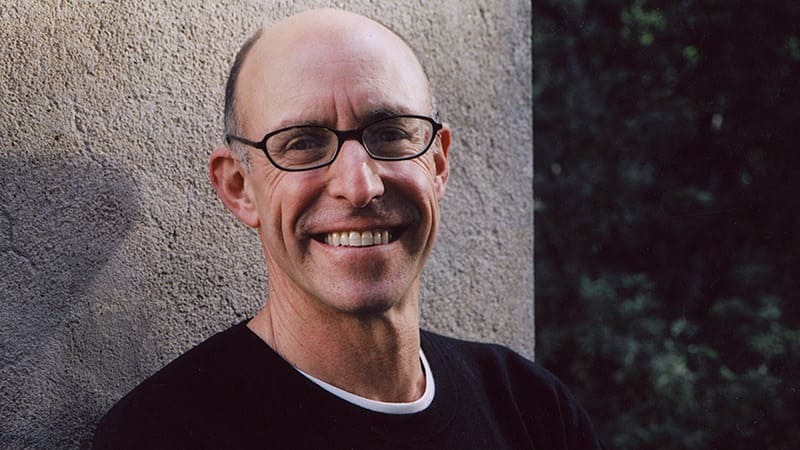
Below are ten Michael Pollan quotes that encapsulate the essence of his message. Each quote includes a deeper interpretation and practical tips on how you can incorporate Pollan’s insights into your own life. (We’ll list an additional 40 quotes later to reach the full 50.)
1. “Eat food. Not too much. Mostly plants.”
- Meaning: Perhaps Pollan’s most famous guideline, this quote champions a simple approach to eating. “Eat food” means focusing on whole, minimally processed items. “Not too much” speaks to portion control and mindful consumption. “Mostly plants” underscores the health and environmental benefits of a plant-forward diet.
- Practical Tips:
- Meal Planning: Base meals around vegetables, fruits, whole grains, and legumes.
- Mindful Eating: Pay attention to hunger and fullness cues. Avoid eating while distracted by screens or stressful situations.
- Choose Local Produce: Supporting local farmers often means fresher, healthier, and more sustainable options.
2. “Don’t eat anything incapable of rotting.”
- Meaning: This playful statement reminds us that real food is perishable. Highly processed products, full of preservatives, can last unnaturally long on shelves. If it doesn’t spoil, it’s probably not brimming with nutrients.
- Practical Tips:
- Shop Smart: Prioritize the produce aisle and fresh foods rather than the center aisles where ultra-processed items dominate.
- Limit Additives: Check labels for excessive preservatives, artificial flavors, or unrecognizable ingredients.
- Practice Rotation: Use up perishable foods first, reducing waste and ensuring a constant supply of fresh ingredients.
3. “If it came from a plant, eat it; if it was made in a plant, don’t.”
- Meaning: Pollan distinguishes between foods grown organically (fruits, vegetables, grains) and those manufactured in factories (heavily processed snacks, ready meals). Natural, whole foods typically offer more nutrients and fewer additives.
- Practical Tips:
- Whole-Food Swaps: Replace sugary breakfast cereals with oatmeal or homemade granola.
- Moderate Processed Foods: If you do consume processed items, choose brands that limit artificial ingredients.
- Embrace Cooking: Preparing meals at home lets you control ingredients and avoid hidden additives.
4. “Our personal health is inextricably bound up with the health of the land.”
- Meaning: Pollan highlights our interdependence with the environment. When the soil is depleted, or when farming practices erode biodiversity, the quality of our food and overall health suffers.
- Practical Tips:
- Support Regenerative Agriculture: Seek out products labeled “organic” or “regeneratively grown,” which indicate ecological farming methods.
- Compost: Contribute to soil health by turning kitchen scraps into compost, returning nutrients to the land instead of sending waste to landfills.
- Grow Your Own Food: Even a small herb garden fosters an appreciation for natural cycles and biodiversity.
5. “Cooking is the single most important step anyone can take to improve their diet.”
- Meaning: Home cooking allows us to choose high-quality ingredients and control portion sizes, salt, and sugar levels. It also fosters awareness of what goes into our bodies.
- Practical Tips:
- Meal Prep: Set aside time each week to cook in bulk. This makes healthy eating more convenient.
- Learn Basic Recipes: Master a handful of simple, nutritious dishes you can rotate.
- Engage Family & Friends: Cooking together builds community and helps spread healthier habits.
6. “You are what what you eat eats, too.”
- Meaning: Pollan underscores that the quality of what our food eats—be it grass-fed cows or pesticide-laden crops—eventually impacts our own health. This emphasizes the entire food chain.
- Practical Tips:
- Know Your Source: Whether it’s meat or produce, learn about the farm and feeding methods.
- Choose Grass-Fed & Organic: Animals raised on their natural diets produce nutrient-rich, healthier meat.
- Seek Transparency: Look for labels or certifications that outline specific feeding and farming practices.
7. “Paying more for better food is an investment in your health.”
- Meaning: While quality, organic, or locally sourced foods can come at a higher price, Pollan views it as an investment in personal well-being and environmental sustainability—often offset by savings in healthcare costs later.
- Practical Tips:
- Budget Priorities: Allocate more funds to groceries and cooking rather than restaurants or processed snacks.
- Bulk Buying: Purchasing staple items like beans, lentils, and grains in bulk can reduce the cost of higher-end perishables.
- Reduce Waste: Utilizing leftovers and proper food storage can help justify spending more on fresh, high-quality ingredients.
8. “Don’t eat anything your great-grandmother wouldn’t recognize as food.”
- Meaning: Many modern products—like neon-colored snacks or certain convenience foods—would baffle past generations. Pollan’s advice encourages simpler, traditional diets over hyper-processed “food-like substances.”
- Practical Tips:
- Simplify Ingredients: If an item has more than five to ten unfamiliar or unpronounceable ingredients, think twice.
- Cook From Scratch: Recreate favorite packaged foods at home using real ingredients.
- Cultural Cuisines: Explore traditional recipes from various cultures that focus on whole, fresh foods.
9. “The shared meal elevates eating from a mechanical process of fueling the body to a ritual of family and community.”
- Meaning: Pollan emphasizes that eating can—and should—be more than mere sustenance. Dining with others fosters relationships, cultural identity, and gratitude for the food itself.
- Practical Tips:
- Family Meals: Plan at least a few weekly meals to eat together.
- Technology-Free Dining: Put away phones and other distractions to fully engage in conversation and the enjoyment of food.
- Cultural Rituals: Incorporate small traditions or mindful practices before meals, such as expressing gratitude.
10. “In the end, for all our ranting about how the food system is broken, it’s the consumer who ultimately has the power to change it.”
- Meaning: While government policies and corporate interests shape much of our food environment, Pollan reminds us that consumer demand is a powerful force. Our collective buying habits can drive producers to adopt more ethical and sustainable methods.
- Practical Tips:
- Vote with Your Fork: Purchasing from farmers’ markets, local co-ops, or ethical brands signals a preference for sustainability.
- Engage Politically: Support legislation that promotes transparent labeling, organic farming, and fair labor practices.
- Spread Awareness: Share recipes, tips, and knowledge with friends and family to expand the movement for healthier, more ethical eating.
Additional 40 Michael Pollan Quotes
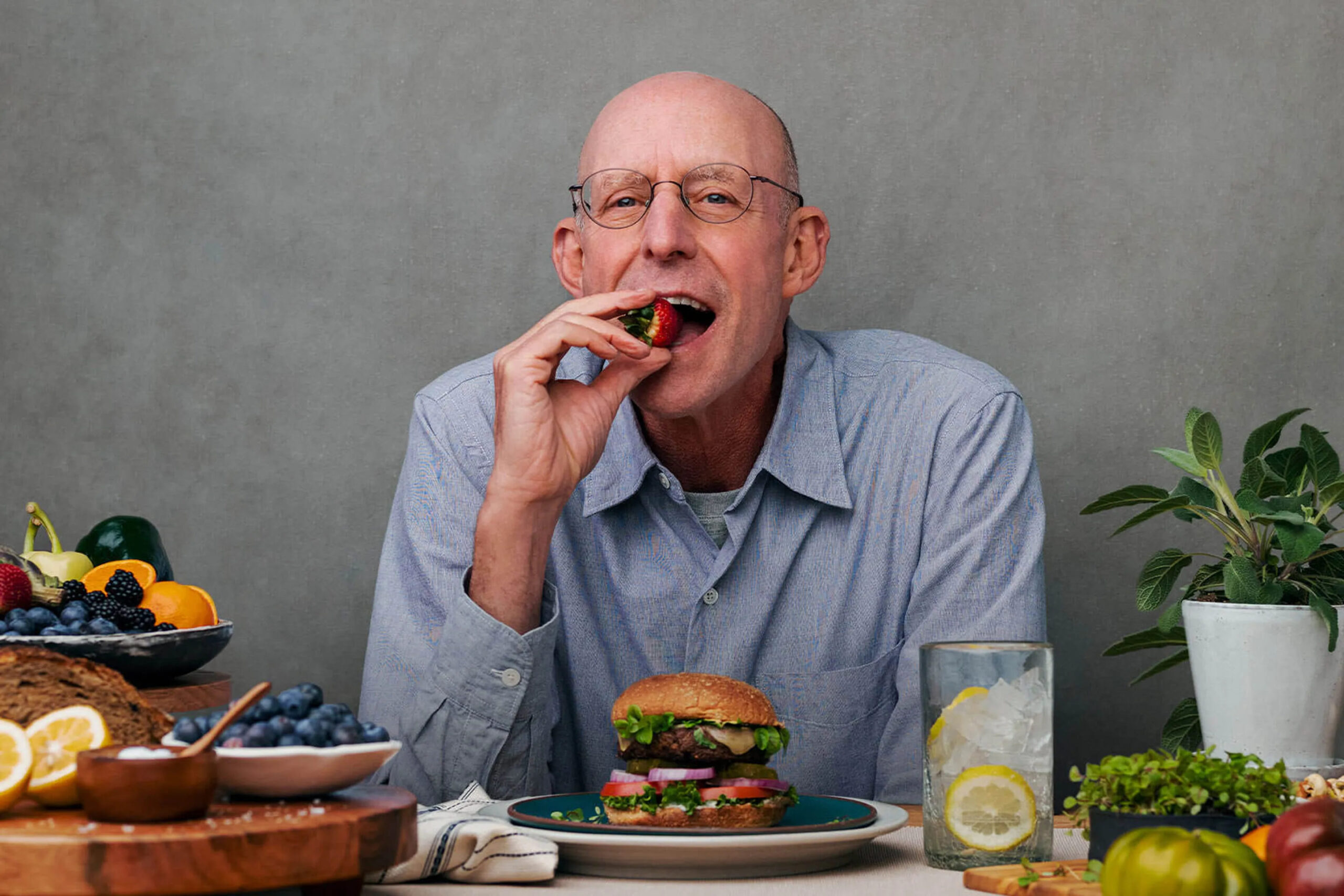
To complete our goal of top 50 Michael Pollan quotes, here are 40 more, listed succinctly. While these are not elaborated in-depth, they each capture vital elements of Pollan’s overarching philosophy:
- “Shake the hand that feeds you.”
- “The garden suggests there might be a place where we can meet nature halfway.”
- “The shared meal is no small thing. It is a foundation of family life.”
- “Gardening is a way of teaching us about our place in the food chain.”
- “To eat industrially is to eat in ignorance.”
- “Cooking for yourself is the only sure way to take back control of your diet.”
- “Eat slowly, at a table, and if you can, not alone.”
- “Not all food is created equal, nor are all calories.”
- “When chickens get to live like chickens, they taste like chickens, too.”
- “Everything eventually transforms into food for something else.”
- “Relearning how to cook might just save your life.”
- “When food is processed, so is our connection to its natural source.”
- “The link between what we eat and how we feel is hard to overstate.”
- “Nature doesn’t have a problem with diversity; people do.”
- “Our health relies on a healthy soil.”
- “Real food has memories, traditions, and identities attached to it.”
- “Knowing where your food comes from is the first step toward real change.”
- “The decline of home cooking is directly related to the rise of obesity.”
- “Supermarket aisles are a museum of modern science, not cooking.”
- “By letting the industrial food system cook for us, we lose our culinary heritage.”
- “Sometimes the cooking is the only art left to us.”
- “You can pay the doctor, or you can pay the farmer.”
- “We’re not just eating nutrients; we’re eating a story.”
- “Monocultures are as vulnerable in agriculture as they are in our thinking.”
- “Food is the simplest, most direct way of connecting with the earth.”
- “Don’t replace real cooking with unwarranted convenience.”
- “In a world of fast food, choosing to cook is a revolutionary act.”
- “Meals bring people together; they are a building block of community.”
- “Industrial food is often cheap because its true cost is hidden.”
- “A balanced, natural diet is the best form of healthcare.”
- “Biodiversity is the planet’s insurance policy.”
- “A garden is the best classroom for learning about the interdependence of life.”
- “The way we eat represents our most profound engagement with the natural world.”
- “Pay attention to the labels; they’re a window into the food’s journey.”
- “Taste is nature’s way of guiding us toward nourishment and pleasure.”
- “By cooking, we transform raw nature into culture.”
- “The cost of cheap food is often paid by the environment and animal welfare.”
- “We have delegated too much of our food decisions to corporations.”
- “Traditions around food are our shared inheritance, not to be lost.”
- “Your body is a reflection of what you consistently eat and do.”
4. Themes in Michael Pollan Quotes
When surveying these Michael Pollan quotes, several themes recur, each reflecting a facet of his overarching philosophy:
- Mindful Eating
- Pollan’s quotes repeatedly emphasize awareness and intentionality around food. Whether it’s understanding ingredient lists or savoring each bite, mindful eating stands as a key to healthier habits and deeper appreciation.
- Example: “Eat slowly, at a table, and if you can, not alone,” underscores the social and sensory pleasures of a meal.
- Connection to Nature
- Pollan portrays food as our most direct link to the natural world. The process of growing, harvesting, cooking, and consuming binds us to ecological systems and cycles.
- Example: “Food is the simplest, most direct way of connecting with the earth,” reminds us that every bite has an environmental footprint.
- Simplicity and Moderation
- Many of his quotes push us to revert to simpler, more traditional ways of eating—avoiding over-processed or synthetic substances. “Don’t eat anything your great-grandmother wouldn’t recognize as food,” is a prime instance of this theme.
- Sustainability
- A commitment to sustainable agriculture and ecological harmony resonates throughout his work. Pollan challenges industrial monocultures and extols the virtues of diverse, regenerative farming practices.
- Example: “Our health relies on a healthy soil,” ties personal well-being to responsible stewardship of land.
- Social and Cultural Dimensions
- Food is not just nutrition; it’s culture, community, and tradition. Pollan’s quotes about shared meals and the “ritual of family and community” highlight how culinary practices shape societal bonds.
Across these themes, Pollan encourages us to remain curious, informed, and passionate about what we eat. He pushes us to ponder the wider ramifications of each meal—environmentally, socially, and ethically. By interpreting his advice through these thematic lenses, we can restructure our habits to create a more balanced, fulfilling lifestyle that benefits both ourselves and the planet.
5. Michael Pollan’s Influence on Modern Food Culture

Few authors have shaped modern conversations about food as extensively as Michael Pollan. By investigating everything from industrial feedlots to local farmers’ markets, Pollan has uncovered the hidden mechanisms of our global food system. His eloquent writings and accessible Michael Pollan quotes have been a catalyst for:
- Farm-to-Table Movements: Restaurants and communities worldwide have embraced local sourcing, reducing food miles and emphasizing seasonal, fresh ingredients.
- Organic and Regenerative Farming: Pollan’s advocacy has inspired many to support or transition into more sustainable forms of agriculture, spotlighting smaller farms and direct consumer relationships.
- Food Policy and Labeling: Activists and policymakers, influenced by his investigative journalism, have pushed for better transparency—like mandatory labeling of genetically modified organisms (GMOs) and the reduction of hidden sugar
Even prominent initiatives such as healthier school meal standards and campaigns against junk-food marketing to children have taken cues from Pollan’s critiques of “edible food-like substances.” As a result, the language and messaging around food have evolved, emphasizing clarity and consumer empowerment.
Beyond policy, Pollan’s influence extends to cultural shifts in how people approach cooking and eating:
- Renewed Interest in Home Cooking: Pollan’s emphasis on the value of preparing meals from scratch has inspired many to re-engage with the kitchen. Cooking classes, online recipe communities, and DIY food blogs have blossomed as more individuals seek to reclaim control over their diets.
- Greater Awareness of Food Origins: Documentaries and food expos often cite Michael Pollan quotes to underscore the importance of knowing your farmer, understanding soil health, and respecting the natural resources required to produce each meal. This awareness challenges consumers to think beyond price tags and convenience.
In essence, Michael Pollan’s body of work—and the Michael Pollan quotes that distill his philosophy—has played a significant role in reorienting the modern food culture toward a more mindful, sustainable, and transparent approach. Whether through grassroots community-supported agriculture programs or nation-wide efforts to improve food labeling, Pollan’s legacy is evident in how people buy, cook, and discuss their meals. His ongoing impact reminds us that the fork is indeed a powerful tool for both personal health and collective change.
6. Conclusion and Reflection
Michael Pollan’s insights cut through the noise of fad diets and industrial marketing to reveal a universal truth: our relationship with food shapes not only our bodies but also our society and environment. By spotlighting how industrial practices, processed foods, and a fast-paced lifestyle distance us from nature, Pollan invites us to return to a simpler, more conscious way of eating. The Michael Pollan quotes we’ve explored—from “Eat food. Not too much. Mostly plants.” to “You are what what you eat eats, too.”—offer a roadmap for transforming daily meals into acts of nourishment and stewardship.
Ultimately, Pollan’s message is one of empowerment. Each of us holds the power to influence the food system with our choices, whether that means frequenting farmers’ markets, cooking more meals at home, or questioning the sources of our ingredients. By reflecting on these Michael Pollan quotes and applying their wisdom in practical ways—composting, gardening, meal prepping, or even just reading labels more carefully—we take part in a broader movement toward personal well-being and ecological balance.
Final Michael Pollan Quote:
“The way we eat represents our most profound engagement with the natural world.”
This statement reminds us that every bite is an opportunity to honor our connection to the planet and shape a healthier future for all.